To further strengthen the faculty team, leverage the leading role of national first-class courses, and enhance young teachers' teaching abilities, on the afternoon of May 20, the School of Energy and Power Engineering organized an open class of a national first-class course and a seminar to improve young teachers' teaching skills in Meeting Room 1. Attendees included university teaching supervisors, heads of departments, course leaders, and related young teachers.
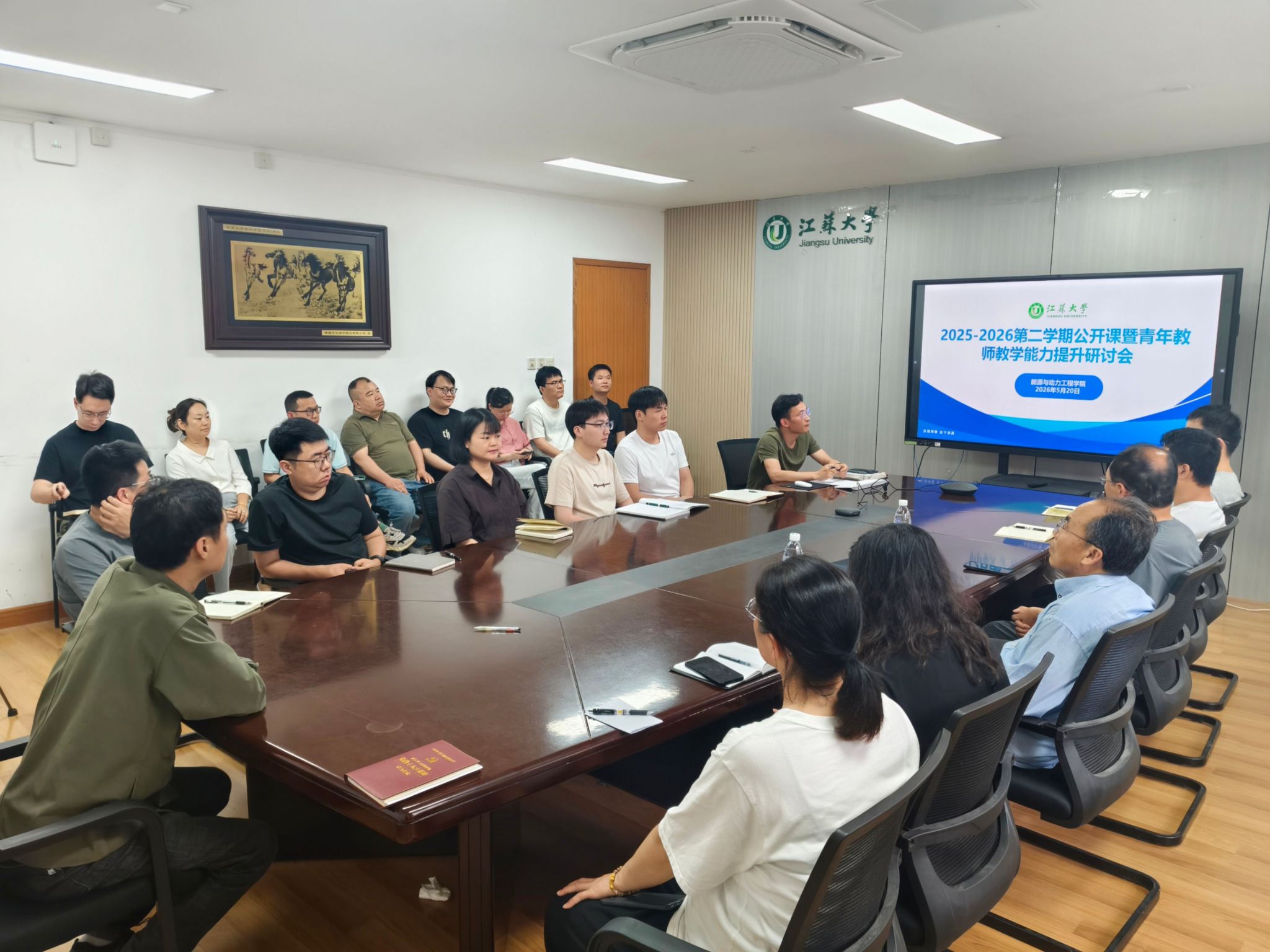
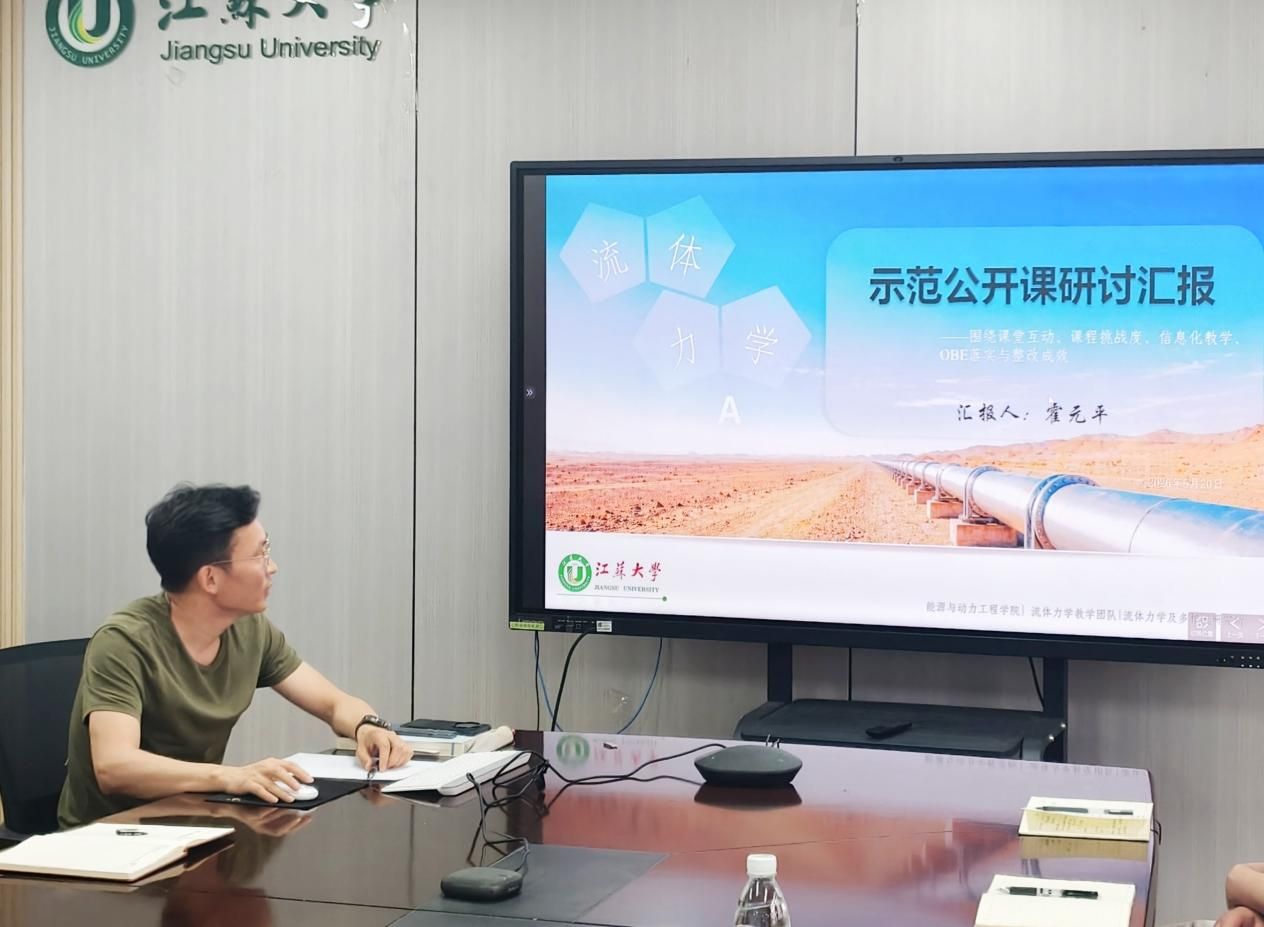
The seminar centered on the open class of the national first-class course "Fluid Mechanics A," featuring a special presentation by Professor Huo Yuanping from the Fluid Mechanics teaching team. The report covered teaching content related to "Hydraulic Calculations for Pipes, Orifices, and Nozzles," under the theme “Looking at Energy Loss and Engineering Calculations in Pipe Flow from the West-to-East Gas Transmission Project.” Key points included classroom interaction, course challenge level, digital teaching, implementation of the OBE concept, and teaching practices that young teachers can learn from. Professor Huo shared teaching ideas based on the open class practice, such as introducing real engineering problems into the course, using low-cost experiments to enhance student experience, linking concepts through problem chains, and using diagrams and digital tools to make understanding easier. He emphasized that a good class should not only clearly explain knowledge but also make students willing to listen, able to understand, and remember it. For young teachers, classroom teaching should highlight the course's significance, focus on the teaching mainline, engage students’ thinking, transform abstract knowledge into intuitive experiences, and maintain classroom warmth and value guidance, naturally combining "what to learn" with "why to learn."
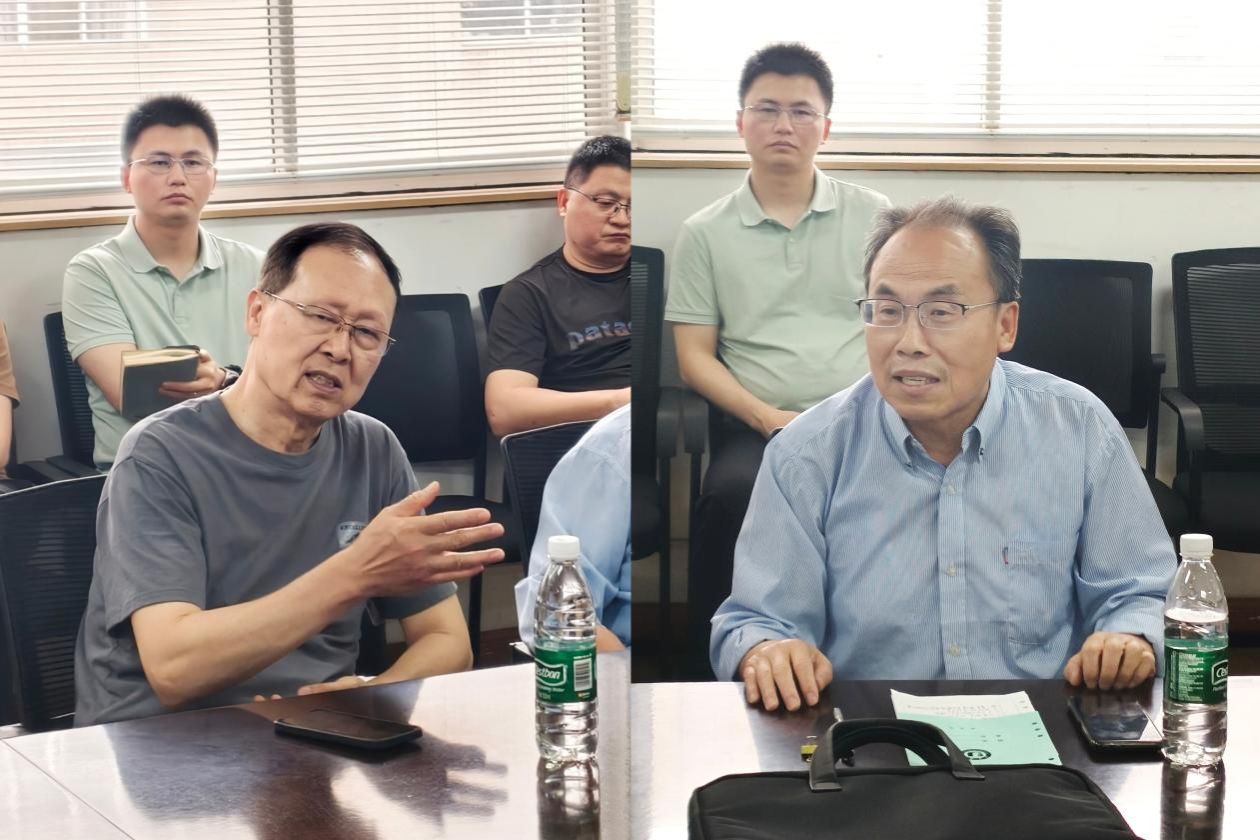
During the discussion session, young teachers exchanged ideas on designing classroom questions, strengthening support for abstract foundational courses, organizing interactions, guiding student thinking, and incorporating engineering cases into different chapters. Participants shared their experiences and challenges in lesson preparation, class organization, and student interaction, making for a lively discussion atmosphere. Teaching supervisor Song Xinnan reviewed the open class and young teachers’ presentations. He praised the solid theoretical foundation and clear class structure, advising young teachers to avoid merely reciting material, organize content with a problem-oriented approach, progress from easy to difficult, and guide students along the mainline to understand concepts and master methods. He also emphasized the importance of lecture design, classroom delivery, and pacing, aiming to make lessons logical, vivid, and engaging. Teaching supervisor Si Naichao also acknowledged the open class, noting its innovation, focus on student experience, well-designed interactive questions, and integration of ideological education, reflecting active exploration in foundational course teaching reform. He suggested that young teachers pay more attention to student responses, enhance classroom situational experiences, and make professional knowledge teaching more relevant to students, engineering, and real-world applications.
This workshop is not only an extension and deepening of the national first-class course open classes, but also an important step for the college to advance teacher training through the 'excellence leads the new' approach. The event gives young teachers practical and applicable classroom teaching ideas, and it has actively helped improve both the quality of teaching in the college and the teaching skills of young instructors.


